
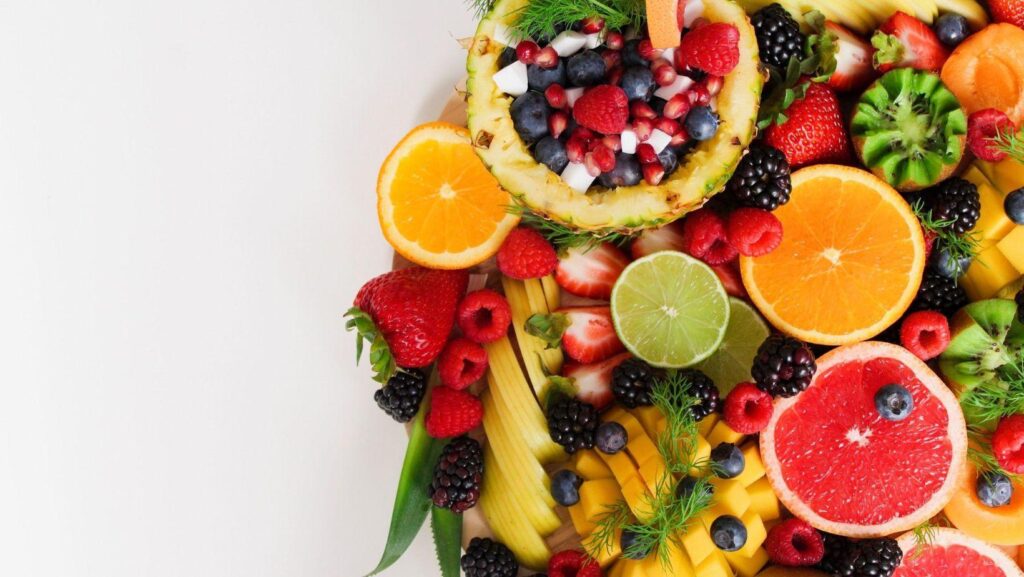
During rainy weather, fresh seasonal fruits often become an important part of family meals. When the air is humid, many families prefer lighter foods and refreshing snacks. Fruits available during the monsoon can help children stay energized and get balanced nutrition each day.
Choosing fresh, clean monsoon fruits can also help you get more vitamins, fiber, and antioxidants in your meals. In this blog, you will learn about different seasonal fruits that can help your digestion, keep you hydrated, and improve overall health during the rainy months, while making your meals colorful and fun.
Best Seasonal Fruits For Kids During the Rainy Season
Guava and Jamun for Daily Immunity Support
Both guava and jamun are very well-known fruits for the rainy season. Guava is an incredibly nutritious fruit packed with vitamin C, making it an excellent choice for boosting your immune system.
Jamun gives your mouth a pleasant taste and is rich in natural nutrients that support your health. They are best served as snacks in the evening or at breakfast.
Fruits like these are popular with kids for their fresh taste and natural sugar content. Parents may also add guavas and jamuns to their fruit salads or use them in their preparations to create attractive dishes.
Papaya and Banana for Better Digestion
The papaya and bananas are mild on the stomach. Papaya contains enzymes that aid digestion, especially after a strong meal. Bananas contain fiber and potassium that help kids stay energetic while studying and playing. Their smooth textures make them easy for young kids to eat. They can be incorporated into simple meals, such as breakfast and dinner.
Children also love to have them as snacks at school. They can be eaten as part of fruit bowls, juices, or with porridge. It makes meals much healthier and more fulfilling for children.
Pomegranate and Pear for Energy and Wellness
Pomegranate and pear contain nutrients that support hydration and healthy nutrition. The pear is a mild, slightly sweet fruit that can be packed in lunch bags and snacks. The pomegranate seeds can be used to garnish fruit salad. Both fruits have a natural, unadulterated sweetness. These monsoon fruits are often eaten as an afternoon snack.
Such fruits have an appealing taste and are easy to eat in hot weather. These fruits can also be used by parents to make yogurt parfaits or homemade desserts.
Apples and Plums for Everyday Nutrition
Storing and consuming apples and plums is very easy. Apples contain fiber and antioxidants that support a balanced diet in fluctuating climatic conditions. Plums have a slightly sour taste and a soft texture, which children like when having snacks. Slices of apples and plums can be mixed with nuts and yogurt to form an evening snack. The proper process for cleaning fruits before consumption keeps them safe.
Litchi and Peach for Hydration and Freshness
Litchis and peaches are cool, delicious fruits, well-suited to hot, rainy weather. Litchi has natural sugars and a high water content, which help one stay hydrated. Peaches are soft and sweet and can be eaten right out of hand.
These fruits are very refreshing after playing outside at school or participating in sporting events. One must consume these fruits in moderation.
Cherries and Citrus Fruits for Seasonal Wellness
The taste and color provided by cherries and citrus fruits make food more exciting. The vitamin C contained in citrus fruits ensures good health during seasonal changes. Cherries have a sweet taste that makes them suitable for rainy-day consumption. You can add these fruits to your breakfast, salads, and snacks. Properly cleaning and storing fruits keeps them fresh regardless of the rain.
Conclusion
Fruits that come with each season not only make our meals more refreshing but also more nutritious. Examples of such fruits include guavas, papayas, apples, pears, and citrus fruits. Inclusion of these monsoon fruits in daily meals can help children lead healthy lives naturally. Seasonal fruit bowls, snacks, or breakfast can provide variety and enjoyment throughout the season.